
Texas Flood Insurance Made Simple
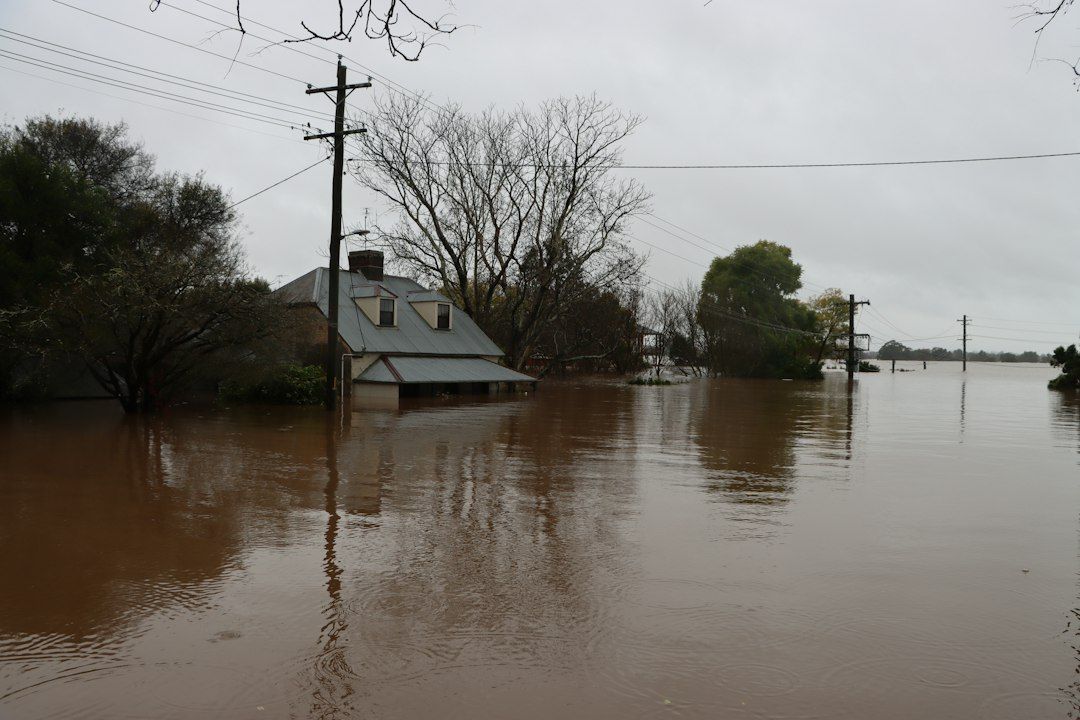
Flash floods are the number one weather-related killer in Texas, yet only about 15 percent of homes statewide carry a dedicated flood policy according to the Insurance Information Institute. Many residents believe standard homeowners insurance covers rising water, but it does not.
Introduction
Flash floods are the number one weather-related killer in Texas, yet only about 15 percent of homes statewide carry a dedicated flood policy according to the Insurance Information Institute. Many residents believe standard homeowners insurance covers rising water, but it does not. After guiding hundreds of families through flood claims, I have seen firsthand how a single storm can wipe out a lifetime of savings. This article explains why Texans need flood insurance, how it is priced, and the practical steps you can take—today—to protect your property and your peace of mind.
Why Flood Coverage Matters in Texas
Texas spans more than 268,000 square miles and hosts every flood risk imaginable, from coastal storm surge to Hill Country flash floods. The Federal Emergency Management Agency (FEMA) reports that 40 percent of National Flood Insurance Program (NFIP) claims filed in Texas come from properties outside high-risk zones.
Key factors driving exposure:
- Rapid urbanization: Impermeable surfaces in cities like Austin and Dallas send runoff into creeks faster than ever, increasing flash-flood frequency.
- Gulf storms: Hurricanes Harvey (2017) and Ike (2008) each caused over $30 billion in flood losses, much of it uninsured.
- Aging infrastructure: Many drainage systems were designed decades ago for smaller populations and lighter rainfall. Historically, Texans relied on NFIP policies backed by FEMA. That landscape shifted in 2021 when the program adopted Risk Rating 2.0, a new methodology that prices each home individually using elevation, foundation type, and distance to water, replacing outdated, zone-based premiums. Private insurers also expanded, offering higher limits and shorter waiting periods.
Essential Components of a Flood Policy
1. Building versus Contents
NFIP policies separate the structure (up to $250,000 limit) from personal belongings (up to $100,000). Private carriers can push those caps to $1 million or more, helpful for higher-value homes along the coast.
Case example: A client in League City upgraded from NFIP to a private policy at the same $2,400 annual premium but gained an extra $500,000 in building coverage and $250,000 in contents, plus loss-of-use benefits the NFIP lacks.
2. Deductibles and Waiting Periods
Standard NFIP waiting period: 30 days. Private markets often offer 10 to 15 days, sometimes even immediate coverage for loan closings. Choosing a $5,000 deductible instead of $1,000 can trim premiums by roughly 12 percent, but only if you have the cash on hand for repairs.
3. Additional Living Expense
Most NFIP contracts exclude hotel bills while your home is repaired. Select private flood insurers now include up to $25,000 for temporary housing—a lifeline after large-scale events when contractors are booked solid.
4. Compliance and Increased Cost of Construction
If a flood forces you to elevate your home to meet local codes, NFIP offers up to $30,000 for compliance costs. Consider supplemental coverage if your elevation would cost more; recent Galveston projects average $38,000 according to the Texas General Land Office.
Professional Insights and Money-Saving Strategies
- Don’t rely on the FEMA map alone. Ask your agent for a flood zone determination letter and the new 3-D terrain data many private carriers use. Homes just outside Zone AE often see high-risk water paths the old maps miss.
- Elevate crucial systems. Moving HVAC units from ground level to the attic can earn up to a 25 percent premium credit with certain insurers.
- Combine mitigation with insurance. Installing smart flood sensors costs about $200 and may qualify for a 5 percent policy discount while giving you early warning.
- Re-shop after renovations. An engineered foundation or added flood vents can drop your premium by hundreds of dollars, but only if you submit a new Elevation Certificate (EC) to the carrier.
- Watch for lender-placed policies. Mortgage companies will buy coverage if yours lapses, often at double the cost and with inferior terms. Set calendar reminders 60 days before renewal. Looking ahead, I expect more usage-based flood products. Satellite data and internet-connected gauges are letting carriers price risk by the inch of rainfall rather than broad zones. Early pilot programs in Louisiana cut premiums 18 percent for homes with proven mitigation measures—technology likely to reach Texas within three years.
Closing Thoughts
Flood insurance may sound technical, but at its core it is about financial resilience. With storms intensifying and real estate values climbing, even a few inches of water can create six-figure repair bills. A customized flood policy fills the gap your homeowners insurance leaves behind and can be tailored to your budget through deductibles, mitigation credits, and market shopping. Taking action before the next storm season is the smartest move any Texas homeowner can make.
Kody Amos Agency
At Kody Amos Agency, we take the uncertainty out of flood coverage. Our licensed advisors use advanced mapping tools and side-by-side NFIP versus private market comparisons to find the right fit for your home and wallet. We explain deductibles, waiting periods, and elevation certificates in plain English so you can make confident decisions. Whether you live in a coastal bungalow or a Hill Country ranch, we shop multiple top-rated carriers and secure every eligible discount—from smart sensors to foundation retrofits. Reach out today for a complimentary flood risk review and experience why Texans trust us to safeguard their most valuable assets, rain or shine.
By Kody Amos & Team